Healthcare in Brazil: A Guide for Foreigners
title: "Healthcare in Brazil: A Guide for Foreigners"
Healthcare in Brazil: A Guide for Foreigners
Brazil has a universal healthcare system that covers everyone — including foreigners. Whether you're a tourist, digital nomad, or expat, understanding how healthcare works here will save you stress, money, and potentially your life.
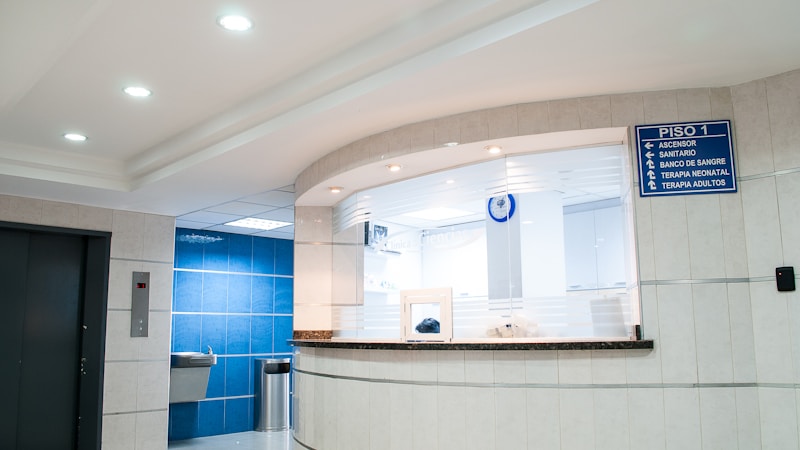
The Two Systems: SUS and Private
Brazil's healthcare is split into two parallel systems:
SUS (Sistema Único de Saúde) — Public Healthcare
SUS is Brazil's universal public healthcare system. It's free for everyone, including foreigners — you don't need a visa, CPF, or insurance to receive care. Just show up with your passport.
What SUS covers:
- Emergency care and hospitalizations
- Primary care at UBS (Unidade Básica de Saúde) clinics
- Specialist consultations (with referral)
- Surgeries and complex procedures
- Vaccinations (completely free at any UBS)
- Medications (many common drugs are free or heavily subsidized through the Farmácia Popular program)
The reality of SUS:
- Emergency care is generally good — trauma centers (UPAs and large hospitals) handle urgent cases efficiently
- Waiting times for non-emergency care can be long — weeks for specialist appointments, months for elective surgeries
- Quality varies dramatically by region — SUS hospitals in São Paulo and Curitiba are significantly better equipped than in rural areas
- It's entirely in Portuguese — don't expect English-speaking staff
Private Healthcare
Brazil's private healthcare is excellent — often compared to the best in the world. Private hospitals like Albert Einstein, Sírio-Libanês (São Paulo), and Copa D'Or (Rio) are internationally accredited.
How to access private healthcare:
- Health insurance plan (plano de saúde) — monthly premiums range from R$300–R$1,500 depending on age, coverage, and network
- Pay out-of-pocket — private consultations typically cost R$200–500 per visit, which is significantly cheaper than in the US or Europe
- International insurance — plans from SafetyWing, Cigna Global, or Allianz are accepted at many private facilities
Health Insurance Options for Foreigners
Brazilian health plans (plano de saúde)
The major providers are:
- Amil — large network, mid-range pricing
- Bradesco Saúde — premium coverage, excellent hospitals
- SulAmérica — good balance of cost and coverage
- Unimed — cooperative model, strong in smaller cities
- Notre Dame Intermédica — budget-friendly with adequate coverage
Typical costs:
- Age 25–35: R$300–600/month
- Age 35–50: R$500–900/month
- Age 50+: R$800–1,500/month
Most plans require a waiting period (carência) of 30 days for basic consultations, 180 days for complex procedures, and 300 days for maternity — though you can sometimes negotiate reduced waiting periods.
International health insurance
If you're on a Digital Nomad Visa or just traveling, international plans work at private hospitals:
- SafetyWing — popular with nomads, ~$45/month, covers emergencies and hospitalizations
- World Nomads — travel insurance with medical coverage
- Cigna Global — comprehensive expat plans with worldwide coverage
Important: Always confirm your international plan covers Brazil specifically, and understand whether you'll need to pay upfront and claim reimbursement.
Pharmacies and Medications
Brazilian pharmacies (farmácias) are everywhere — you'll find a Drogasil, Droga Raia, or Pacheco on almost every block in cities.
What you should know:
- Many medications that require prescriptions in other countries are available over the counter in Brazil (antibiotics being a notable exception — they require a prescription)
- Common medications are very affordable — a pack of generic ibuprofen costs R$5–10
- Farmácia Popular is a government program that provides free or heavily discounted medications for chronic conditions (hypertension, diabetes, asthma)
- Pharmacies often have a pharmacist on duty who can give basic health advice
Vaccinations
Brazil offers all standard vaccinations for free through SUS at any UBS clinic. As a foreigner, you can walk in and get vaccinated — no appointment needed for most vaccines.
Recommended for Brazil:
- Yellow fever — strongly recommended if visiting the Amazon, Pantanal, or rural areas. Many countries require proof of vaccination if arriving from Brazil
- Hepatitis A and B — especially if traveling to rural or less-developed areas
- Routine vaccines — make sure tetanus, measles, and COVID-19 vaccinations are current
Emergencies: What to Do
If you need emergency care
- Call SAMU: 192 — this is Brazil's emergency medical service (ambulance)
- Go to a UPA (Unidade de Pronto Atendimento) — these are 24-hour emergency clinics found throughout cities
- For serious cases, go directly to a hospital emergency room — if you have private insurance, go to a private hospital for faster service
Emergency numbers
| Service | Number | |---|---| | SAMU (ambulance) | 192 | | Fire department | 193 | | Police | 190 | | Civil defense | 199 |
Dental Care
Dental care in Brazil is excellent and remarkably affordable. Many foreigners come to Brazil specifically for dental work.
- Routine cleaning: R$100–200
- Fillings: R$150–300
- Root canal: R$500–1,000
- Dental implant: R$2,000–4,000 (compared to $3,000–5,000 USD in the US)
Many dentists in larger cities speak English, and the quality of care is comparable to Western countries.
Practical Tips
- Get a CPF — while not strictly required for SUS, having one makes everything smoother (registering at a UBS, picking up medications, health insurance enrollment)
- Download the "Meu SUS Digital" app — it contains your vaccination records and SUS registration
- Learn basic Portuguese medical vocabulary — even in private hospitals, many doctors have limited English outside São Paulo
- Keep your prescriptions — if you take regular medication, bring your current prescriptions with generic drug names (not brand names) so a Brazilian doctor can prescribe equivalents
- Don't skip travel insurance — even though SUS is free, travel insurance covers medical evacuation, which could save you enormous costs in a worst-case scenario