Здравоохранение в Бразилии: гид для иностранцев
В Бразилии действует универсальная система здравоохранения, охватывающая всех — включая иностранцев. Будь вы турист, цифровой кочевник или экспат, понимание того, как здесь работает медицина, сэкономит нервы, деньги и, возможно, жизнь.
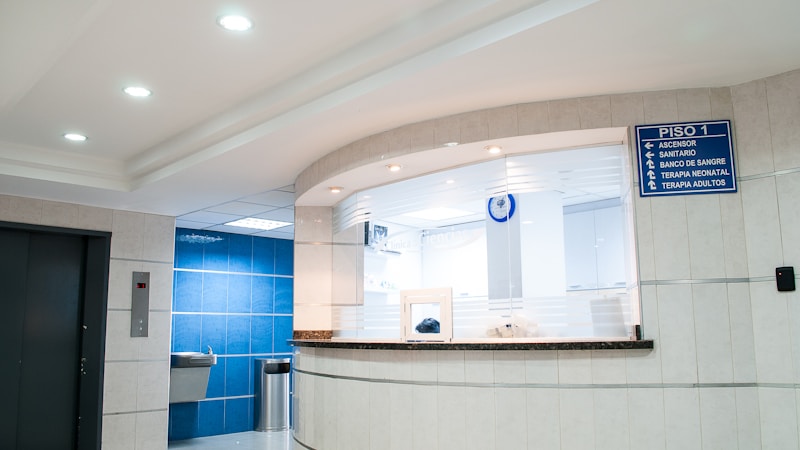
Две системы: SUS и частная
Здравоохранение Бразилии разделено на две параллельные системы:
SUS (Sistema Único de Saúde) — государственная медицина
SUS — универсальная государственная система здравоохранения Бразилии. Она бесплатна для всех, включая иностранцев — для получения помощи не нужны виза, CPF или страховка. Достаточно предъявить паспорт.
Что покрывает SUS:
- Экстренная помощь и госпитализация
- Первичная помощь в клиниках UBS (Unidade Básica de Saúde)
- Консультации специалистов (по направлению)
- Операции и сложные процедуры
- Прививки (полностью бесплатно в любой UBS)
- Лекарства (многие распространённые препараты бесплатны или субсидированы через программу Farmácia Popular)
Реальность SUS:
- Экстренная помощь в целом хорошая — травмоцентры (UPA и крупные больницы) эффективно справляются с неотложными случаями
- Ожидание при неэкстренной помощи может быть долгим — недели для приёма у специалистов, месяцы для плановых операций
- Качество сильно зависит от региона — больницы SUS в Сан-Паулу и Куритибе значительно лучше оснащены, чем в сельской местности
- Всё полностью на португальском — не ждите англоговорящего персонала
Частная медицина
Частная медицина Бразилии на высоком уровне — её часто сравнивают с лучшей в мире. Частные клиники вроде Albert Einstein, Sírio-Libanês (Сан-Паулу) и Copa D'Or (Рио) имеют международную аккредитацию.
Как получить частную помощь:
- План здоровья (plano de saúde) — ежемесячные взносы R$300–1.500 в зависимости от возраста, покрытия и сети
- Оплата наличными — частные приёмы обычно стоят R$200–500 за визит, что значительно дешевле, чем в США или Европе
- Международная страховка — планы SafetyWing, Cigna Global или Allianz принимаются во многих частных учреждениях
Варианты страхования для иностранцев
Бразильские планы здоровья (plano de saúde)
Основные провайдеры:
- Amil — широкая сеть, средние цены
- Bradesco Saúde — премиум-покрытие, отличные больницы
- SulAmérica — баланс стоимости и покрытия
- Unimed — кооперативная модель, сильна в небольших городах
- Notre Dame Intermédica — бюджетный вариант с адекватным покрытием
Типичные расходы:
- Возраст 25–35: R$300–600/месяц
- Возраст 35–50: R$500–900/месяц
- Возраст 50+: R$800–1.500/месяц
Большинство планов требуют периода ожидания (carência): 30 дней для базовых консультаций, 180 дней для сложных процедур, 300 дней для материнства — иногда можно договориться о сокращении.
Международная страховка
Если вы по визе цифрового кочевника или просто путешествуете, международные планы работают в частных больницах:
- SafetyWing — популярен у кочевников, ~$45/месяц, покрывает экстренные случаи и госпитализацию
- World Nomads — туристическая страховка с медицинским покрытием
- Cigna Global — комплексные планы для экспатов с всемирным покрытием
Важно: Всегда уточняйте, что ваш международный план покрывает именно Бразилию, и понимайте, нужно ли платить на месте с последующим возмещением.
Аптеки и лекарства
Бразильские аптеки (farmácias) повсюду — на каждом квартале в городах есть Drogasil, Droga Raia или Pacheco.
Что нужно знать:
- Многие препараты, требующие рецепта в других странах, в Бразилии доступны без рецепта (антибиотики — заметное исключение, для них нужен рецепт)
- Обычные лекарства очень доступны — упаковка дженерика ибупрофена стоит R$5–10
- Farmácia Popular — государственная программа бесплатных или со скидкой лекарств при хронических заболеваниях (гипертония, диабет, астма)
- В аптеках часто дежурит фармацевт, который может дать базовую консультацию
Прививки
Все стандартные прививки в Бразилии бесплатны через SUS в любой клинике UBS. Иностранец может прийти и вакцинироваться — для большинства прививок запись не нужна.
Рекомендуется для Бразилии:
- Жёлтая лихорадка — настоятельно рекомендуется при поездке в Амазонию, Пантанал или сельскую местность. Многие страны требуют справку о вакцинации при въезде из Бразилии
- Гепатит A и B — особенно при поездках в сельскую или менее развитую местность
- Рутинные прививки — убедитесь, что прививки от столбняка, кори и COVID-19 актуальны
Экстренные случаи: что делать
Если нужна экстренная помощь
- Позвоните SAMU: 192 — скорая медицинская помощь Бразилии
- Обратитесь в UPA (Unidade de Pronto Atendimento) — круглосуточные пункты неотложной помощи в городах
- В тяжёлых случаях — сразу в приёмное отделение больницы — при наличии частной страховки обращайтесь в частную больницу для более быстрого обслуживания
Экстренные номера
| Служба | Номер |
|---|---|
| SAMU (скорая) | 192 |
| Пожарные | 193 |
| Полиция | 190 |
| Гражданская оборона | 199 |
Стоматология
Стоматология в Бразилии на высоком уровне и заметно доступнее по цене. Многие иностранцы приезжают в Бразилию специально для лечения зубов.
- Чистка: R$100–200
- Пломбы: R$150–300
- Лечение корневого канала: R$500–1.000
- Имплант: R$2.000–4.000 (по сравнению с $3.000–5.000 USD в США)
Многие стоматологи в крупных городах говорят по-английски, качество сопоставимо со странами Запада.
Практические советы
- Получите CPF — хотя для SUS он не обязателен, с ним всё проще (регистрация в UBS, получение лекарств, оформление страховки)
- Скачайте приложение «Meu SUS Digital» — в нём записи о прививках и регистрация в SUS
- Выучите базовую медицинскую лексику — даже в частных больницах многие врачи за пределами Сан-Паулу слабо говорят по-английски
- Сохраните рецепты — если принимаете лекарства регулярно, возьмите рецепты с международными (МНН) названиями, чтобы бразильский врач мог выписать аналоги
- Не отказывайтесь от туристической страховки — хотя SUS бесплатен, страховка покрывает медицинскую эвакуацию, которая в худшем случае может спасти от огромных расходов